
Warehouse in Doral, Florida | Experienced US team
Manufacturer-direct horticultural supplies
At Oboya, we manufacture and supply a wide range of products for the floral, fruit, and vegetable industries. From packaging materials and substrates to floral buckets, pots, trays, trolleys, and retail displays, we provide practical solutions that help growers, distributors, and retailers keep their business moving. With global production capabilities and one of the broadest product ranges in the industry, Oboya makes horticultural supply simple, reliable, and efficient.
Produce & Floral Packaging | Buckets | Trolleys | Grower Supplies


Products and supporting solutions
Produce Packaging (fruit and vegetables)
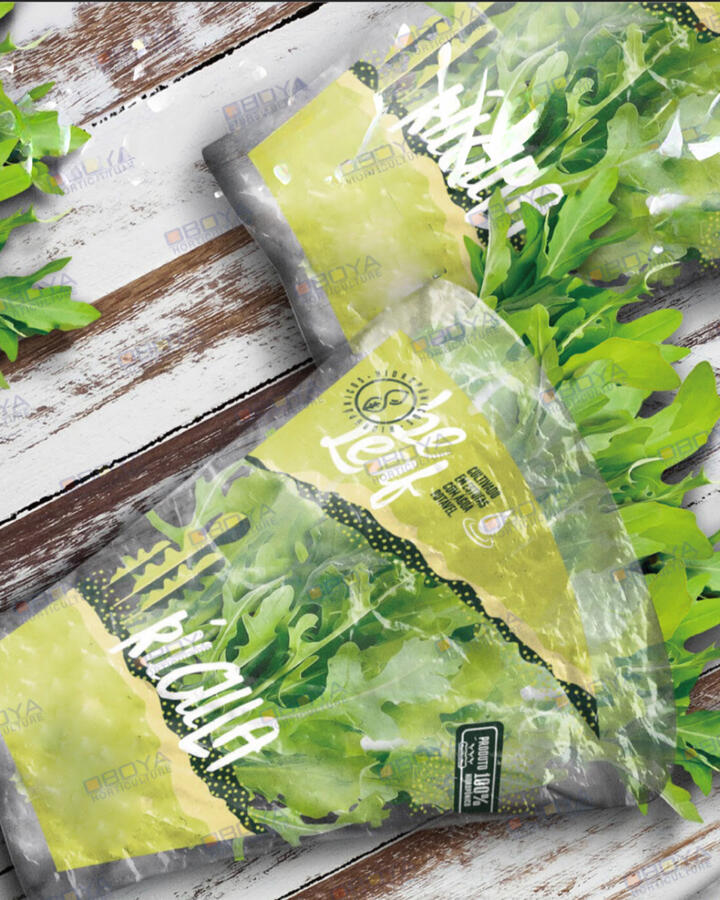
Fruit and vegetable packaging, including produce bags, flowpack solutions, berry packaging, trays, punnets, clamshells and custom packaging.Floral Packaging (flowers and plants)
Flower sleeves, wrapping sheets, floral buckets, pot covers, clips, bags, printed packaging and other floral packaging solutions.Grower & Planting Supplies
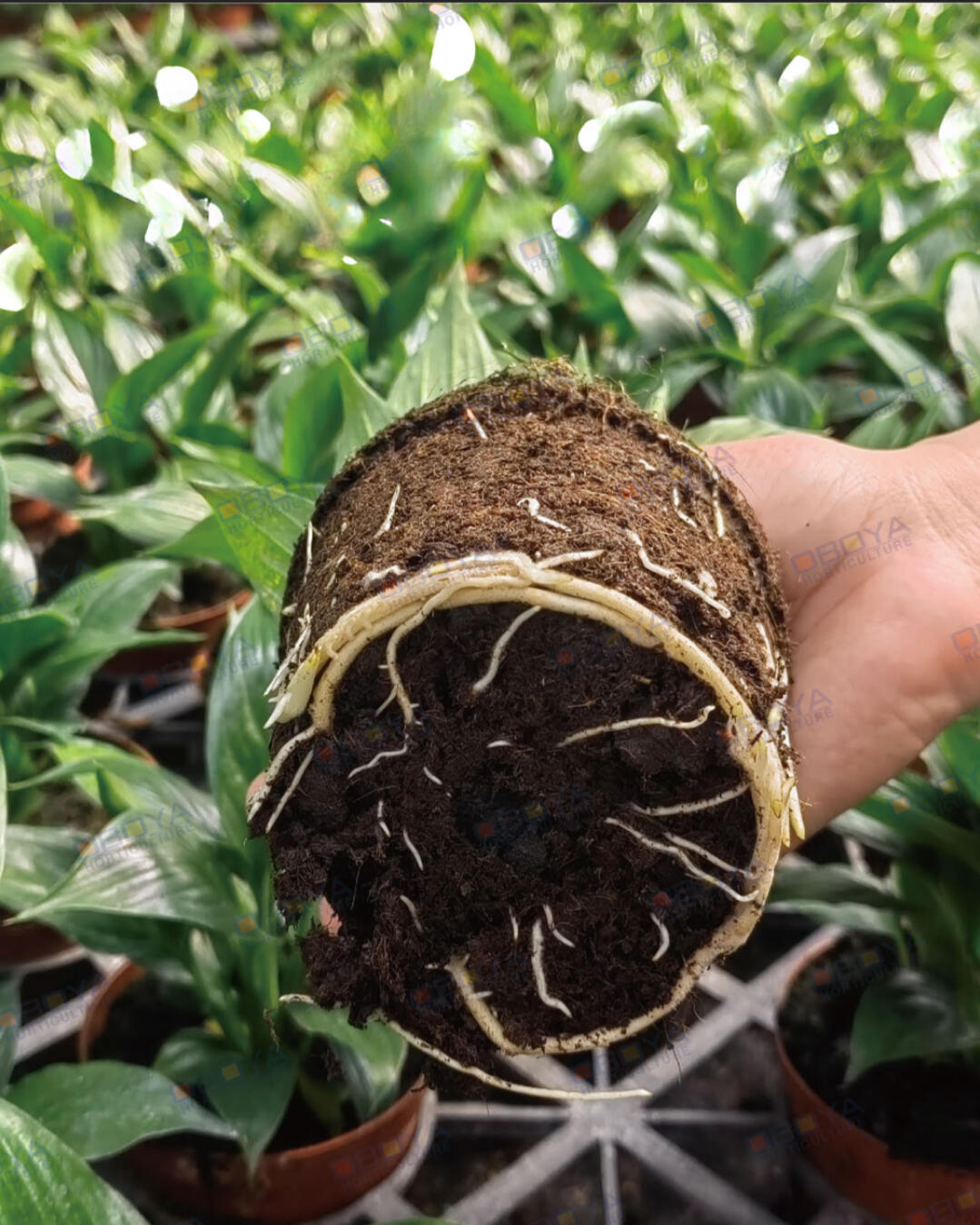
Growing substrates, coco coir products, nursery pots, planters, propagation trays, seedling trays and supplies for greenhouse growers and nurseries.Transport & Retail Handling
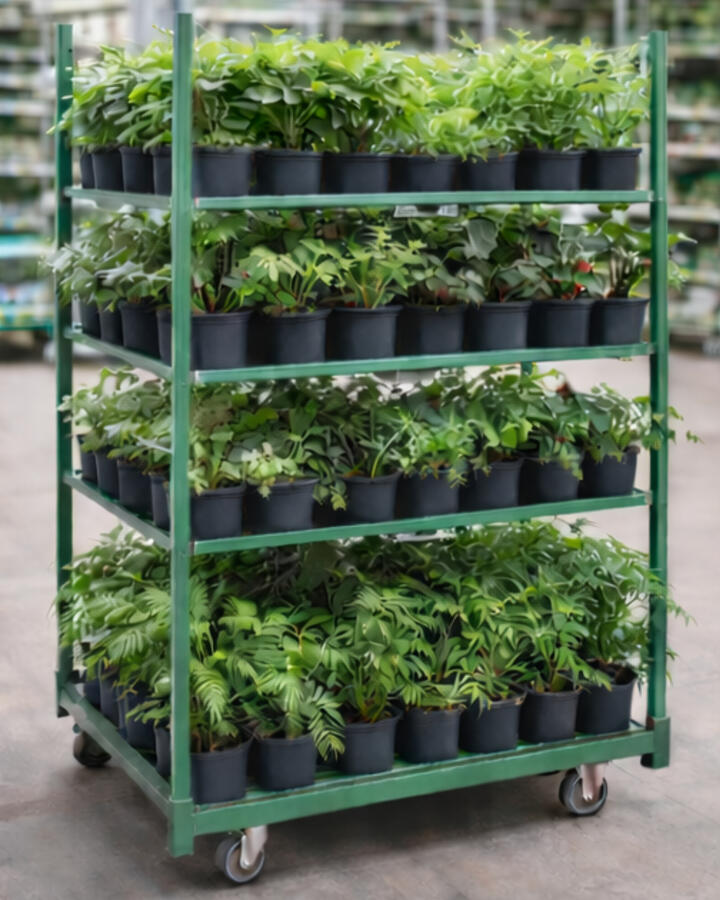
Flower trolleys, logistics carts, transport equipment, retail displays, floral buckets and handling solutions for growers, wholesalers and retailers.Horticultural Automation & Equipment
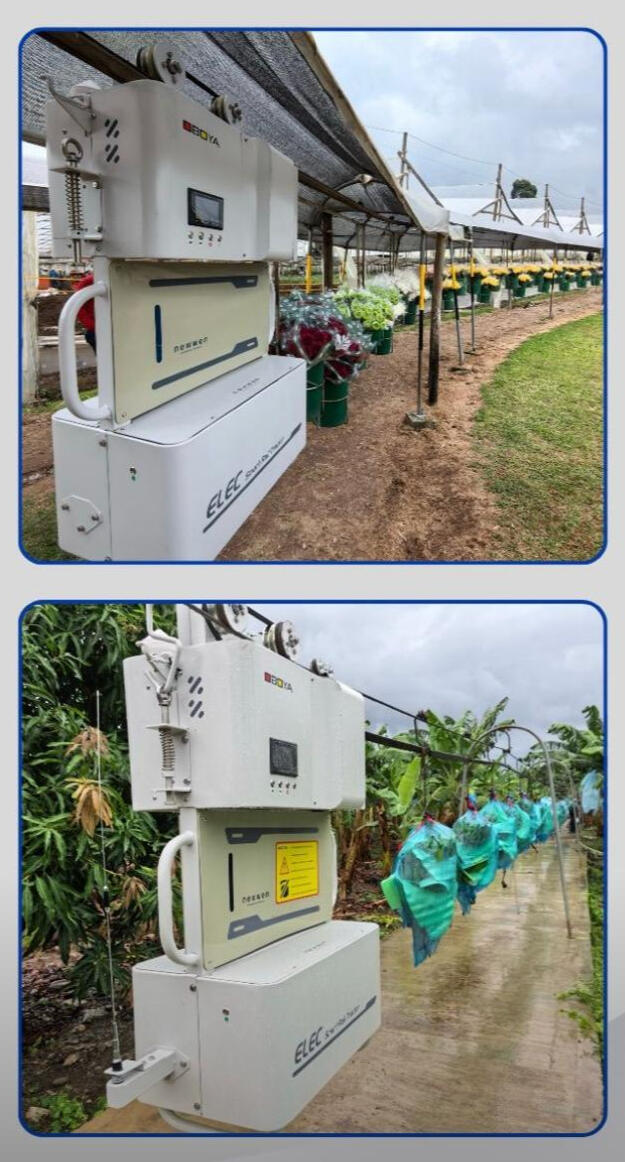
Greenhouse automation, horticultural machinery, production and packaging equipment, on-farm fermentation systems and technology that improves efficiency in growing and handling operations.
MARKET NOTESWhat We See Moving in HorticultureMarket shifts, data and practical observations worth paying attention to.
CONSUMER TRENDWhat if Plants Launched Like Sneakers?Limited releases. Numbered plants. Sold-out launches. What could horticulture learn from sneaker culture?Read the note →
FLORAL & PRODUCEWhat Was Buzzing at GPFS 2026?Familiar faces, fresh ideas and plenty to follow up on. Here's what caught our attention in Orlando.Read the note →
SIX MONTH FIELD NOTEThe Question Behind the QuestionA question about a pot becomes a conversation about labor. Six months in, we're learning to listen for what comes next.Read the note →
OBOYA TECHNOLOGYThe Input Factory Moves to the Farm?What if growers produced microbial inputs on-site? A closer look at fermentation and what it changes for the farm.Read the note →
TECHNOLOGYAI Headlines. Practical Investments.AI gets the attention. Growers' investment plans tell another story, with planting and irrigation high on the list.Read the note →
KEEP READINGMore from Oboya Market NotesFrom packaging choices to changing consumer habits. Explore earlier notes on what's moving in horticulture.Explore all Market Notes →
Why Oboya USA?
Global Manufacturing. Local Expertise.Oboya Horticulture is a global manufacturer with nearly 20 years of experience. We manufacture nearly our entire product range in-house, including floral sleeves, flower buckets, produce packaging, pots, planters, seedling trays, growing substrates, horticultural automation equipment, trolleys and retail displays.Established in the US Market.Oboya has supplied the US market for years through distributors and agents. Today, our own US operation gives customers direct access to our global manufacturing capabilities, backed by an experienced local team and warehousing in Doral, Florida.Manufacturer-Direct. Competitively Priced.By manufacturing nearly everything ourselves, we offer competitive manufacturer-direct pricing, product expertise and greater control over quality and production. Our portfolio is complemented by selected exclusive partnerships, including Bioglitter® distribution across North and South America.
GLOBAL MANUFACTURING & US PRESENCELocal Presence as an Answer to a Turbulent World
HortiDaily | September 2026 — Robert Wu on global manufacturing, regional production, automation and the future of horticulture.The U.S. Is a Natural Next Step for Oboya
HortiDaily | April 2026 — Building on years of US market experience with a dedicated team and warehouse in Florida.Oboya Opens Direct Operations in the United States
Cultivar Magazine | April 2026 — Expanding our direct presence in the Americas while continuing established distributor relationships.INNOVATION & INDUSTRY EXPERTISEOboya Brings Bioglitter to the US Floral Market
The Produce News | June 2026 — Bringing innovative decorative solutions to the floral industry through a specialist partnership.10 Questions to Joyce Aerts
Thursd | July 2026 — On international horticulture, automation, innovation and the people behind the industry.From Milestones to Inchstones: Flowers as Everyday Little Treats
Thursd | October 2026 — Joyce Aerts explores changing consumer behavior and new opportunities for everyday floral retail.INDUSTRY PROFILES & EVENTSOboya USA at IFPA Global Show 2026 — HortiDaily
HortiDaily | October 2026 — Our US team featured in the IFPA Orlando photo report, connecting with the international horticultural industry.IFPA Global Produce & Floral Show 2026 — FloralDaily
FloralDaily | October 2026 — A look at the floral industry, exhibitors and connections at GPFS in Orlando.Oboya Horticulture Industries — Company Profile
Thursd — International manufacturing, packaging, substrates, pots, trays, trolleys and horticultural solutions.Oboya at Cultivate 2026
HortiDaily | July 2026 — Oboya's US and international team at one of North America's major horticultural trade shows.
Oboya USA
8500 NW 30th Terrace
Doral, Florida, 33122
www.oboya.cc
📞 +1 786 535 4951

© 2026 Oboya USA LLC · Terms & Conditions
Terms and Conditions
OBOYA USA LLC
TERMS AND CONDITIONS OF SALE
1. Terms and Conditions Apply.
All orders placed with and accepted by Oboya USA LLC (“Oboya,” “Seller,” “we,” “us,” or “our”) are subject to these Terms and Conditions of Sale (“Sales Terms”), unless different terms are agreed to in a written agreement signed by an authorized representative of Oboya; namely an authorized company officer or appointed account manager.
By placing an order, issuing a purchase order, accepting a quote, accepting delivery, paying an invoice, or otherwise purchasing products from Oboya, the customer (“Customer,” “you,” or “your”) accepts and agrees to be bound by these Sales Terms.
Any terms contained in a Customer purchase order, vendor portal, acknowledgment, confirmation, or other document that are different from, inconsistent with, or additional to these Sales Terms are rejected and will not apply unless expressly accepted in writing by an authorized representative of Oboya.
2. Eligibility and Authority.
You may not place an order if you do not agree to these Sales Terms or if you lack authority to bind the business or entity on whose behalf the order is placed.
By placing an order, you represent that you are of legal age, have authority to bind the Customer, and that all billing, shipping, tax, credit, and contact information provided to Oboya is accurate and complete.
3. Website, Quotes, and Other Policies.
These Sales Terms apply to orders submitted through any channel, including email, phone, quote acceptance, purchase order, EDI, vendor portal, invoice, or website. To the extent applicable and not inconsistent with any signed agreement with Oboya, Oboya’s website terms of use, privacy policies, product specifications, credit policies, and other written policies may also apply.
Product information, specifications, images, samples, and descriptions are provided for general commercial guidance. They do not create a warranty unless expressly stated in an Order Confirmation or signed agreement.
4. Order Placement and Acceptance.
Orders may be submitted by email, phone, mail, electronic portal, purchase order, quote acceptance, or other method accepted by Oboya. Unless otherwise agreed, a minimum order amount of $250.00 applies.
An order request is an offer to purchase Products subject to these Sales Terms. No order is final until accepted by Oboya in writing, by issuance of an order confirmation, invoice, shipment, or commencement of production or procurement.
Oboya may accept or reject any order in its discretion, including because of credit risk, product availability, production capacity, pricing errors, compliance concerns, or account status.
Customer is responsible for reviewing all order confirmations, invoices, artwork approvals, and specifications promptly. Oboya is not responsible for errors that Customer failed to identify before production, shipment, or delivery.
5. Pricing.
Unless expressly stated otherwise, prices do not include taxes, duties, tariffs, customs fees, shipping, handling, insurance, storage, special packaging, accessorial carrier charges, bank fees, or similar charges, all of which are Customer’s responsibility.
Oboya may adjust quoted or confirmed prices when cost-determining factors materially change, including raw material costs, exchange rates, freight, fuel, duties, tariffs, supplier charges, labor, energy, compliance costs, or other costs outside Oboya’s reasonable control. Oboya will communicate such adjustments reasonably when practical.
Clerical, typographical, calculation, catalog, website, quote, or invoice errors may be corrected by Oboya at any time.
6. Taxes, Duties, and Exemption Certificates.
Customer is responsible for all applicable sales, use, excise, VAT/GST, import, export, customs, duties, tariffs, and other taxes or governmental charges related to the Products or transaction, except taxes based solely on Oboya’s income.
If Customer claims tax exemption or resale status, Customer must provide a valid exemption or resale certificate before invoicing. Customer is responsible for any taxes, penalties, interest, or costs arising from invalid, expired, incomplete, or rejected certificates.
7. Payment.
First Orders. Unless otherwise approved in writing, first orders must be prepaid. Oboya may delay production, release, or shipment until payment is received and confirmed.
Subsequent Orders. Payment terms for approved accounts are generally Net 30 from invoice date, unless otherwise agreed in writing. Oboya may modify, suspend, reduce, or revoke credit terms at any time based on payment history, account status, credit risk, order size, or other business considerations.
Method of Payment. Payment may be made by check, ACH, wire transfer, or other method accepted by Oboya. Customer represents that all payment information provided is true, correct, complete, and authorized.
Fees. Customer is responsible for bank fees, wire fees, returned payment fees, chargeback fees, and other payment-related costs. Credit card payments may be subject to processing terms or surcharges where permitted by law and disclosed by Oboya.
Late Payments. Past due amounts may accrue a finance charge of 1.5% per month, or the maximum rate permitted by law, whichever is lower. Payments must be received by Oboya by the due date to avoid late charges.
No Setoff. Customer may not withhold, offset, deduct, or delay payment because of any dispute, claim, return request, warranty claim, alleged shortage, or other matter, unless Oboya has issued a written credit memo.
Collection Costs. If Oboya undertakes collection efforts, Customer is responsible for all reasonable costs of collection, including attorneys’ fees, court costs, collection agency fees, and related expenses.
Account Holds. Oboya may place accounts on credit hold, suspend shipments, stop production, cancel open orders, require prepayment, or demand adequate assurance of payment if Customer has a past-due balance, exceeds credit limits, shows signs of financial distress, or otherwise presents increased credit risk.
8. Credit.
Credit may be available to eligible customers after review and approval. Oboya may require a credit application, trade references, bank references, financial statements, personal or corporate guarantees, deposits, letters of credit, credit insurance approval, or other support.
Approval of credit for one order does not guarantee credit approval for future orders. Oboya may revise or revoke credit at any time.
9. Delivery, Freight, Risk of Loss, and Delay.
Freight Terms. Freight terms will be specified in the applicable quote, order confirmation, or invoice. Unless otherwise agreed in writing, freight is at Customer’s cost and Oboya has discretion to select the method of shipment and carrier.
Estimated Delivery Dates. Delivery dates, production dates, transit times, and arrival dates are estimates only and are not guaranteed. Oboya is not liable for delays caused by production, supplier, carrier, customs, port, weather, labor, equipment, documentation, compliance, or other issues.
Risk of Loss. Unless otherwise agreed in writing, title and risk of loss pass to Customer when Products are made available to the carrier or otherwise released from Oboya’s designated facility or warehouse, EXW Oboya’s designated location.
Carrier Claims. Customer is responsible for inspecting shipments at delivery, noting visible damage or shortage on carrier documents, preserving packaging, and pursuing carrier claims where applicable. Oboya may assist where reasonable but is not responsible for carrier damage after risk of loss has passed.
Partial Shipments. Oboya may deliver orders in multiple shipments. Each shipment may be treated as a separate delivery and invoiced separately.
10. Back Orders and Allocation.
Oboya makes reasonable efforts to fulfill accepted orders but may back order, partially ship, allocate, substitute with Customer approval where appropriate, or delay Products because of availability, production, supplier, transportation, or quality issues.
When Products are limited, Oboya may allocate available inventory among customers in a commercially reasonable manner.
11. Cancellations and Changes.
Orders may not be cancelled, deferred, reduced, or changed without Oboya’s prior written approval. Approved cancellations or changes may be subject to charges for materials, labor, tooling, artwork, printing plates, freight, supplier commitments, restocking, storage, and other costs already incurred or committed.
Custom, printed, private-label, special-order, imported, made-to-order, or non-stock Products may not be cancelled once production, procurement, printing, tooling, or sourcing has begun, unless Oboya agrees in writing.
12. Returns.
No returns, credits, or deductions will be accepted without Oboya’s prior written authorization and a return authorization number or written return approval.
Authorized returns must be in original condition, unused, saleable, properly packed, and returned within the timeframe specified by Oboya. Customer is responsible for freight, handling, and any restocking fees unless Oboya agrees otherwise in writing.
Custom, printed, private-label, special-order, discontinued, damaged, used, or altered Products are not returnable unless Oboya determines that the Products fail to meet the applicable limited warranty.
13. Custom, Printed, and Private-Label Orders.
Submission and Acceptance. Requests submitted pursuant to a custom quote are not accepted orders until accepted by Oboya in writing or until Oboya begins work, procurement, production, printing, or tooling.
Artwork and Approvals. Customer is solely responsible for reviewing and approving artwork, copy, barcodes, logos, trademarks, colors, dimensions, layouts, regulatory statements, product claims, and proofs before production. Customer approval authorizes Oboya to proceed and Customer is responsible for resulting Products.
Color and Proofs. Digital proofs, samples, mockups, images, and print previews are approximations only. They may simulate but do not guarantee exact Pantone, CMYK, material, finish, opacity, print position, registration, or production color results. Normal manufacturing and printing tolerances apply.
Overruns and Underruns. Due to manufacturing processes, overruns or underruns may occur. Unless otherwise agreed in writing, overruns or underruns of up to 10% are conforming and will be invoiced or credited on a pro-rata basis.
Tooling, Plates, and Setup. Tooling, printing plates, dies, molds, cylinders, setup work, digital files, and production materials may be charged separately. Unless expressly agreed in writing, Oboya retains ownership of production know-how, manufacturing files, tooling methods, specifications, and process information created or used by Oboya.
Customer-Supplied Materials and IP. Customer represents that it owns or has permission to use all artwork, trademarks, logos, copy, claims, specifications, and other materials provided to Oboya. Customer will indemnify Oboya for claims arising from Customer-supplied materials or instructions.
14. Product Suitability, Regulatory, and Sustainability Claims.
Customer is responsible for determining whether Products are suitable for Customer’s intended use, market, packaging line, retailer requirements, product contents, storage conditions, transportation method, labeling obligations, and regulatory requirements.
Any statements regarding recycled content, recyclability, compostability, biodegradability, food-contact suitability, sustainability, carbon impact, material composition, or regulatory compliance are product-specific and may depend on specifications, location, infrastructure, use, disposal method, and applicable law. Such statements are not guarantees unless expressly confirmed in a signed writing by Oboya.
Customer is responsible for all claims it makes to its own customers, retailers, regulators, or end users regarding Products, packaging, labeling, sustainability, compliance, or performance.
15. Warranty and Disclaimer.
Limited Warranty. Oboya warrants only that Products will be delivered to the carrier or made available to Customer substantially consistent with the description in the applicable order confirmation, quote, or invoice, subject to normal commercial and manufacturing tolerances.
Samples. Samples are provided to illustrate general type, quality, construction, or appearance only and do not guarantee that future production will be identical to the sample.
Exclusive Remedy. If Oboya determines that a Product fails to meet the limited warranty, Oboya may, in its sole discretion, repair, replace, credit, or refund the purchase price of the affected Product. These are Customer’s sole and exclusive remedies and Oboya’s sole obligation for breach of warranty.
Warranty Claims. Customer must notify Oboya within the applicable inspection period and provide reasonable evidence, including order details, photos, samples, lot numbers, delivery records, and a description of the issue. No warranty service, credit, return, or replacement will be provided without Oboya’s authorization.
Disclaimer. EXCEPT FOR THE LIMITED WARRANTY EXPRESSLY STATED IN THIS SECTION, PRODUCTS ARE SOLD “AS IS” AND OBOYA DISCLAIMS ALL OTHER WARRANTIES, EXPRESS OR IMPLIED, INCLUDING ANY IMPLIED WARRANTIES OF MERCHANTABILITY, FITNESS FOR A PARTICULAR PURPOSE, NON-INFRINGEMENT, COURSE OF DEALING, COURSE OF PERFORMANCE, OR USAGE OF TRADE.
16. Limitation of Liability.
Excluded Damages. TO THE MAXIMUM EXTENT PERMITTED BY LAW, OBOYA SHALL NOT BE LIABLE FOR ANY SPECIAL, INCIDENTAL, INDIRECT, EXEMPLARY, PUNITIVE, OR CONSEQUENTIAL DAMAGES OR LOSSES OF ANY KIND, INCLUDING LOST PROFITS, LOST REVENUE, LOST SAVINGS, LOSS OF USE, LOSS OF GOODWILL, COST OF SUBSTITUTE GOODS, PRODUCTION INTERRUPTION, RETAILER CHARGES, RECALL COSTS, DELAY DAMAGES, OR THIRD-PARTY CONSEQUENTIAL DAMAGES, WHETHER BASED ON CONTRACT, WARRANTY, TORT, NEGLIGENCE, STRICT LIABILITY, OR ANY OTHER THEORY.
Limited Damages. NOTWITHSTANDING ANY OTHER PROVISION, OBOYA’S MAXIMUM LIABILITY FOR ANY CLAIM OR SERIES OF RELATED CLAIMS IS LIMITED TO THE AMOUNT CUSTOMER ACTUALLY PAID TO OBOYA FOR THE AFFECTED PRODUCTS, EXCLUDING TAXES, SHIPPING, HANDLING, DUTIES, TARIFFS, AND OTHER CHARGES BEYOND THE PRODUCT PRICE.
Essential Basis. Customer agrees that the pricing and allocation of risk in these Sales Terms are an essential basis of the bargain between Customer and Oboya.
17. Limitation on Actions.
Customer may not bring any action, claim, or proceeding arising out of or relating to any transaction with Oboya more than one year after the cause of action accrues, unless a shorter period applies under these Sales Terms or a longer period is required by applicable law.
18. Compliance with Laws.
Customer agrees to comply with all applicable federal, state, local, and international laws and regulations related to the purchase, resale, labeling, storage, transport, export, import, marketing, and use of Products.
Customer may not use, resell, export, re-export, transfer, or provide Products in violation of sanctions, export controls, anti-corruption laws, customs laws, forced labor laws, or other applicable trade compliance requirements.
19. Force Majeure.
Oboya will not be responsible for delay or failure to perform due to causes beyond its reasonable control, including supplier or subcontractor failures, raw material shortages, labor disputes, strikes, transportation delays, port congestion, container shortages, customs delays, war, terrorism, sabotage, riots, civil unrest, epidemic, pandemic, quarantine restrictions, cyber incidents, utility failures, equipment failures, accidents, fires, natural disasters, governmental actions, sanctions, export/import restrictions, or other events beyond Oboya’s reasonable control.
Oboya’s performance will be extended for a reasonable period after the force majeure event is remedied. Customer will accept delayed performance unless the order is terminated as permitted below.
If a force majeure event continues for more than sixty (60) days, either party may terminate the affected order by written notice, provided Customer remains responsible for Products already delivered and for non-refundable costs, materials, work in progress, custom production, tooling, supplier commitments, and other costs incurred or committed by Oboya in connection with the order.
20. Confidentiality.
Each party agrees not to disclose confidential information of the other party, including pricing, customer information, supplier information, designs, specifications, product concepts, business plans, financial information, samples, tooling information, and non-public commercial information, except as permitted below.
Confidential information may be disclosed with the other party’s consent; as required by law, court order, government authority, or stock exchange regulation; to professional advisors or financing sources subject to confidentiality duties; or where the information was already public through no breach by the receiving party.
These obligations survive termination or completion of any order.
21. Intellectual Property.
Oboya retains all intellectual property rights in its Products, designs, specifications, drawings, processes, know-how, tooling methods, product concepts, samples, catalogs, website materials, trademarks, trade names, and related materials, except to the extent Customer owns Customer-supplied artwork, logos, trademarks, or content.
Customer may not copy, reverse engineer, reproduce, modify, distribute, or use Oboya’s intellectual property except as necessary to purchase, resell, or use Products in the ordinary course of business.
Customer grants Oboya a non-exclusive right to use Customer-supplied artwork, trademarks, logos, specifications, and other materials solely as needed to perform the order.
22. Right of Inspection and Claims.
Customer must inspect Products at the time and place of delivery. If there are any issues, including shortage, damage, quality concerns, nonconformity, or price discrepancies, Customer must notify Oboya in writing within the following periods:
(a) three (3) business days from receipt for count discrepancies, shortages, wrong items, or visible shipping issues;
(b) ten (10) business days from receipt for quality, damage, or other nonconformity that is reasonably discoverable upon inspection;
(c) for hidden defects not reasonably discoverable upon inspection, within five (5) business days after discovery and in all events within thirty (30) days after delivery, unless a different period is required by law.
Failure to notify Oboya within the applicable period will be deemed acceptance of the Products, waiver of the right to reject the Products, and waiver of related claims. Customer must preserve Products, packaging, labels, lot codes, and evidence until Oboya has had a reasonable opportunity to inspect or request samples.
23. Sizes, Tolerances, and Technical Variations.
All size references, gauges, capacities, dimensions, thicknesses, colors, weights, roll lengths, case counts, images, and other technical references are approximations unless expressly stated as guaranteed tolerances in writing.
Normal commercial, printing, cutting, folding, sealing, material, color, and manufacturing tolerances apply. Product performance may vary depending on use, handling, temperature, humidity, storage, filling, transport, display, contents, and other conditions outside Oboya’s control.
24. Applicable Law, Exclusive Jurisdiction, and Venue.
These Sales Terms and each Order are governed by the internal laws of the State of Florida, without giving effect to conflict of law rules.
Any legal suit, action, or proceeding arising out of or relating to these Sales Terms, any Order, or any transaction with Oboya shall be instituted exclusively in the federal courts of the United States or the courts of the State of Florida located in Miami-Dade County, Florida. Customer waives objections to personal jurisdiction and venue in such courts.
25. Default Remedies.
In addition to all other rights and remedies, if Customer fails to pay or otherwise defaults, Oboya may suspend performance, withhold shipments, cancel orders, demand prepayment, reclaim goods where permitted by law, apply credits to unpaid balances, and recover attorneys’ fees and costs related to collection or enforcement.
26. Assignment.
Customer may not assign rights or delegate obligations under these Sales Terms or any Order without Oboya’s prior written consent. Any attempted assignment or delegation in violation of this section is void. No assignment or delegation relieves Customer of its obligations.
27. No Waiver.
No waiver by Oboya of any term, condition, right, or remedy shall be deemed a further or continuing waiver of such term, condition, right, or remedy or a waiver of any other term, condition, right, or remedy. Oboya’s failure to enforce any provision does not constitute a waiver.
28. Severability.
If any provision of these Sales Terms is held invalid, illegal, or unenforceable, that provision shall be eliminated or limited to the minimum extent necessary, and the remaining provisions will continue in full force and effect.
29. Third-Party Beneficiaries.
These Sales Terms are for the benefit of Oboya and Customer only and do not confer rights or remedies on any third party, except Oboya’s affiliates, insurers, successors, assigns, and representatives may rely on protections intended for Oboya where applicable.
30. Changes to Sales Terms.
Oboya may update these Sales Terms from time to time. Updated terms may be posted on Oboya’s website or otherwise provided to Customer. The version in effect at the time an order is accepted will apply to that order unless otherwise agreed in writing.
31. Notices.
To Customer. Oboya may provide notices by email to the address Customer provided, by mail or courier to Customer’s business address, by posting operational notices on Oboya’s website, or by including notices in quotes, order confirmations, invoices, or account communications.
To Oboya. Notices to Oboya must be in writing and sent by nationally recognized overnight courier or certified mail to Oboya USA LLC at its then-current principal business address or other address designated by Oboya in writing. Email notices may be used for routine commercial communications but must be followed by formal written notice when required by these Sales Terms or law.
32. Entire Agreement.
These Sales Terms, together with the applicable quote, order confirmation, invoice, credit documents, product specifications accepted by Oboya, and any written agreement signed by Oboya, constitute the entire agreement regarding the sale of Products and supersede prior or contemporaneous discussions, proposals, communications, or inconsistent documents relating to the same transaction.
Market Notes
What we see moving in horticulture
Short reads on retail pressure, labor, sourcing and the decisions changing horticulture.
Technology | Market Note
AI Gets the Headlines. What Gets the Investment?
AI gets the attention. Growers' investment plans tell another story, with planting and irrigation high on the list.
Oboya Technology | Market Note
What if the Input Factory Moved to the Farm?
What if growers produced microbial inputs on-site? A closer look at fermentation and what it changes for the farm.
Six Month Field Note
The Question Behind the Question
A question about a pot becomes a conversation about labor. Six months in, we're learning to listen for what comes next.
Floral & Produce | Market Note
What Was Buzzing at GPFS 2026?
Familiar faces, fresh ideas and plenty to follow up on. Here's what caught our attention in Orlando.
Consumer Trend | Market Note
What if Plants Launched Like Sneakers?
Limited releases. Numbered plants. Sold-out launches. What could horticulture learn from sneaker culture?
Own Production | Market note
Why We Decided to Make Our Own Bucket
Plenty of floral buckets exist. So why did we decide to make our own?
GPFS2026 | Come See Us
How Much Horticulture Can You Fit Into 200 Square Feet?
Quite a lot, as it turns out! See what we’re bringing together at GPFS.
Holiday Programs | Market note
The Sparkle Can Stay!
Holiday sparkle isn’t disappearing. It’s getting a material rethink.
Packaging | Market note
Switching Material is the Easy Part
Paperisation is having a moment. But changing material doesn’t automatically settle the sustainability question.
Consumer Shift | Market note
From Milestones to Inchstones
Consumers are creating smaller purchase occasions of their own — and floral has an opportunity to become part of them.
Automation | Market note
Robots Like Repetition. People Usually Don’t.
The best place to start with automation isn’t the technology. It’s the repetitive job your team would happily never do again.
Efficiency | Market note
Growing More Without Building More
What if the next growth opportunity isn’t more greenhouse space, but getting more value from every square foot?
Market Intelligence | Market note
The Next Crop Is Already Showing Up in the Numbers
U.S. floriculture sales are growing much faster than the industry's production footprint. But the more interesting story may be where growers are placing their next bets.
Retail | Market note
Retail Risk Is Moving Upstream
Retailers are not only buying products. They are assessing how much risk a program brings into their system.
Labor | Market note
Labor Is Rewriting the Investment List
The question is no longer where to find more hands, but which processes should stop depending on them.
Sourcing | Market note
A Clear Shift in Horticulture Sourcing
Direct sourcing is growing. That does not eliminate intermediaries, but it does force them to prove their value.
Retail | Market note
Retail Risk Is Moving Upstream
Retailers are not just asking growers for better products.
They are asking for fewer problems to solve downstream.That is the shift.Shrink, packaging claims, traceability, freight issues and product consistency used to feel like separate conversations. Now they are part of the same retail question:How much risk does this program bring into our system?And that starts with functionality.Does the packaging protect the product?
Does it move well through the chain?
Can the claim be explained without creating a new problem?Because the product can be beautiful, fresh and well-priced, and still lose ground if the program around it feels fragile.The next advantage is not only product quality.It is program confidence.
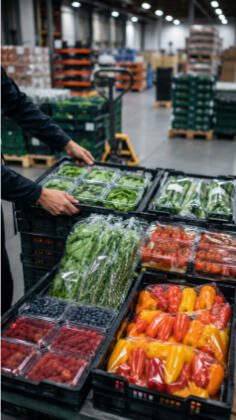
Labor | Market note
Labor Is Rewriting the Investment List
Labor is no longer just a seasonal headache.
It is changing the math of horticulture.Across the Americas, labor is getting harder to find, more expensive and more regulated. That is why the conversation is shifting from “Where do we find more hands?” to “Which parts of the operation should not depend on manual work anymore?”That is where investment is moving.Spraying systems.
Microbial and biological application.
Field transport.
Internal logistics.
Post-harvest flow.
Smarter packing.Not automation for the sake of automation.Automation because the old labor model is running out of room.
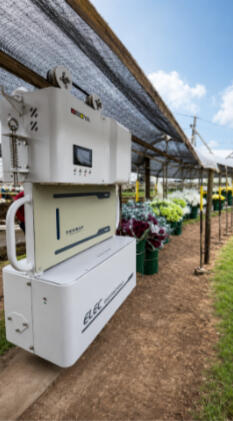
Sourcing | Market note
A Clear Shift in Horticulture Sourcing
Horticulture sourcing is consolidating.As companies grow, purchasing power increases - and with it, the ability to go directly to manufacturers.That is becoming the default. Not the exception.Direct sourcing offers control: over cost, specification and supply.At the same time, many buyers are now large enough to bypass traditional trading layers entirely. This is reshaping the role of intermediaries.Being “in the middle” is no longer a position. It only works if real value is added.Product knowledge.
Manufacturing insight.
Flexibility.
Problem-solving.Without that, the layer disappears.The market is not removing intermediaries.It is filtering them.

Retail | Market note
Retail Risk Is Moving Upstream
Retailers are not just asking growers for better products.
They are asking for fewer problems to solve downstream.That is the shift.Shrink, packaging claims, traceability, freight issues and product consistency used to feel like separate conversations. Now they are part of the same retail question:How much risk does this program bring into our system?And that starts with functionality.Does the packaging protect the product?
Does it move well through the chain?
Can the claim be explained without creating a new problem?Because the product can be beautiful, fresh and well-priced, and still lose ground if the program around it feels fragile.The next advantage is not only product quality.It is program confidence.
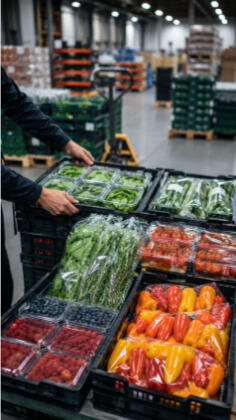
Market Intelligence | Market note
The Next Crop Is Already Showing Up in the Numbers
USDA’s recent July 17 update puts 2025 U.S. floriculture producer sales at $8.40 billion and reports an 18% year-over-year increase. Meanwhile, the number of producers grew just 4% while covered growing space increased 7%.In plain English: sales value grew much faster than the industry's production footprint.The crop mix changed too. Perennials climbed from fourth to second place among major floriculture categories. More strikingly, starter plants and other unfinished plant material, the category USDA calls propagative materials, more than doubled, from $316 million to $644 million.It overtook cut flowers, where sales fell 6%.What does that tell us?Growth is increasingly being driven by efficiency, specialization, and smarter production systems rather than expansion alone.That is the shift we are watching. Not just how the market is growing, but where growers are placing their next bets.Source: Oboya analysis of USDA NASS Floriculture Crops Highlights for 2024 and 2025, updated July 17, 2026. U.S. only; category figures cover operations with $100K+ in annual floriculture sales.

Efficiency | Market note
Growing More Without Building More
One challenge kept surfacing at Cultivate: how do you grow the business without adding more greenhouse space?With labor, inputs and freight squeezing margins, growers are looking harder at what every square foot produces. That is where compact plants and smaller pots become interesting: less substrate and bench space, more units per cart or truck, and a more accessible shelf price.But smaller only works when genetics, crop time, pot, packaging and retail presentation are reconsidered together.The conversation isn't about shrinking a product. It is about redesigning a system.Cultivate confirmed what we are hearing throughout the industry: Future growth will come from a smarter use of resources.Are you redesigning the product or simply making it smaller?

Automation | Market note
Robots Like Repetition.
People Usually Don’t.
Every greenhouse, warehouse and packing operation has one: a repetitive task that is awkward, easy to get wrong and somehow still done by hand. Seeding, dosing, sleeving, stacking: these are exactly the jobs worth examining first.Try the three-yes test:Is it repeated every day?Does consistency matter?Is skilled time being wasted on it?Three yeses mean it deserves a closer look.At Oboya, we start with the task, not the technology. Show us the job your team would happily never do again. That is where useful automation begins.
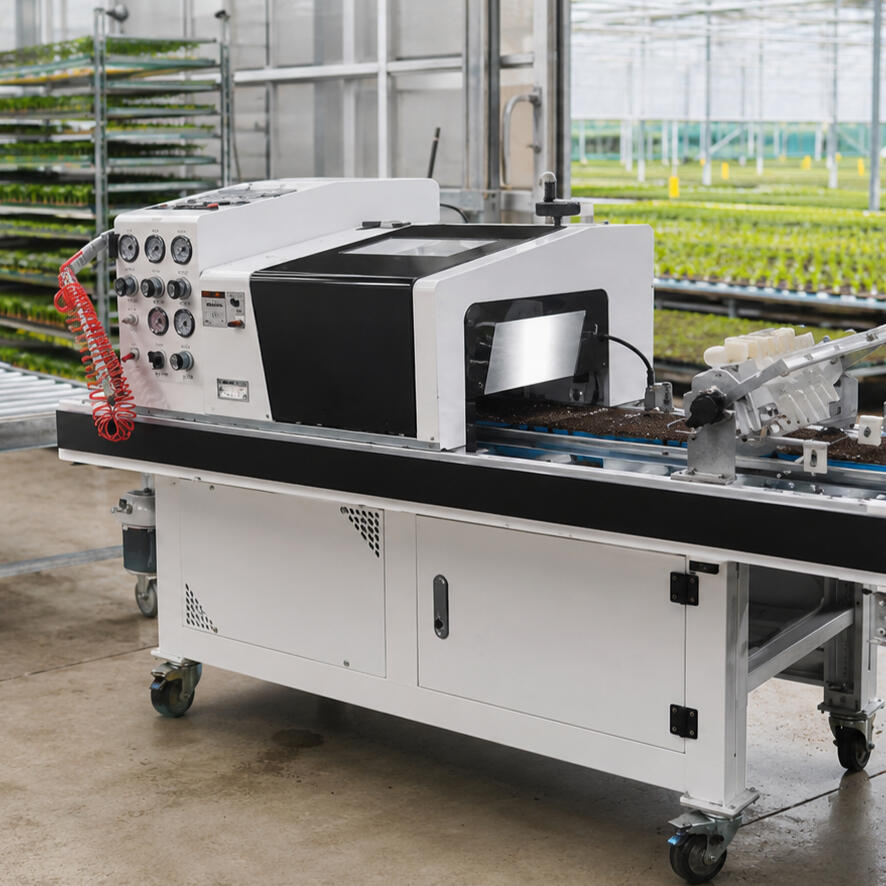
Own Production | Market note
Why We Decided to Make
Our Own Bucket
Plenty of floral buckets exist. So why did we decide to make our own?Because a lot has changed in the US floral bucket market in a relatively short time: supply routes shifted, familiar options changed and many buyers found themselves reassessing a category that had long seen as stable.The need for consistency didn't change.Our US team has spent years working with floral bucket programs and the businesses that depend on them. They understand the specifications, operational requirements, and realities of using buckets at scale.That experience led to a simple conclusion: if consistency matters, production matters too.By bringing manufacturing into our own network, we gain greater control over quality, availability, product development and long-term continuity.Sometimes the biggest innovation isn't inventing something new.
It's deciding something important deserves your name on it.Talk to our US team about your next bucket program.

Consumer Shift | Market note
From Milestones to Inchstones
Floral demand has traditionally centered on major occasions: birthdays, anniversaries, holidays, celebrations and thank-you moments.But consumers are increasingly creating smaller occasions.SurveyMonkey’s 2026 Treatonomics study found that 62% of U.S. adults buy themselves a small, affordable treat at least once a month, while 43% do so weekly or even daily. More than half of those purchases cost less than $25.Circana reported a similar trend in 2025. The motivation might be: getting through a difficult day, completing a task, practicing self-care, or simply deciding that a small reward is deserved.These aren't milestones. They're inchstones.Small moments that are becoming purchase occasions in their own right.
And that makes this more than a self-gifting trend.
Demand is moving beyond dates on a calendar toward occasions consumers create for themselves.So the question for floral is:
How well are we positioned for an occasion that can happen on a Tuesday?Sources: SurveyMonkey Treatonomics Study, 2026;
Circana/NCSolutions Little Treats Consumer Study, 2025

Packaging | Market note
Switching Material is the Easy Part
Paperisation is having a moment.Across food, fresh produce and floral categories, fiber-based materials are showing up everywhere. As pressure on single-use plastics continues, retailers are testing new formats, brands are redesigning packs, and customers often view paper as the more sustainable-looking option.But sustainability is rarely that simple.Recent reporting highlighted both the promise and the complexity of paperisation. Fiber-based materials can reduce dependence on fossil-based plastics, yet questions about coatings, recyclability, fiber sourcing, water consumption, and energy use remain important considerations.Europe’s Packaging and Packaging Waste Regulation (PPWR) sits squarely in the middle of this debate.
The regulation doesn’t declare a winning material. Instead, it asks tougher questions.How much packaging is actually needed?
What function does it serve?
What happens to it after use?Fresh produce provides a useful example. Beginning in 2030, certain single-use plastic packs below 1.5 kg (3.3 lb) face restrictions. At the same time, exemptions may apply when packaging helps prevent water loss, oxidation, microbiological risk or physical damage.In other words, function still matters.Paperisation changes what packaging is made from.
It does not automatically settle the sustainability question.
Any environmental benefit still needs to be demonstrated and measured.Sources: Regulation (EU) 2025/40; European Commission; Reuters, “The promise and peril of paperisation,” July 2026.

Holiday Programs | Market note
Switching Material is the Easy Part
Holiday programs have always been allowed a little more drama.A little more shimmer.
A little more sparkle.What is changing is not the appetite for glitter. It is what that glitter is made from.Conventional glitter is typically produced using plastic film. Bioglitter® takes a different approach, using patented cellulose-based technology with more than 97% plant-based carbon and more than 99% natural and biodegradable content. Official Bioglitter® ranges are also backed by the manufacturer's guarantee of compliance with Europe's microplastics regulations.For growers, retailers and floral designers, that means the visual effect can remain familiar while the material evolves.Holiday sparkle is not disappearing. It is getting a material rethink.Samples are available for holiday program development.

Consumer Trend | Market Note
How Much Horticulture Can You Fit Into 200 Square Feet?
Quite a lot, as it turns out!At GPFS, we are bringing together products and ideas from across the horticulture chain: substrates and growing pots, floral sleeves and produce packaging, trolleys and handling solutions, spraying technology, seeding equipment and more.It may seem like an unusual mix. And that is exactly the point.Growers, packers, wholesalers and retailers don't experience challenges one product category at the time.
Neither do we.That is why we are bringing solutions from across the horticulture chain together in one space.
Grow. Pack. Move. Automate.If you only know Oboya Horticulture for one part of the business, GPFS is a good opportunity to discover the rest.GPFS 2026 | Business Solutions | Booth 3923
200 Square Feet.
More Oboya Horticulture than you might expect.

Consumer Trend | Market Note
What if Plants Launched Like Sneakers?
Sneakers have drops. Fashion has capsule collections. Collectibles come numbered.Plants? Usually they just arrive.But that may be changing.Garden Media Group's new 2027 Garden Trends Report identifies plant drops as one of the trends to watch: limited releases, live auctions and launches designed to turn a new plant into an event rather than simply another SKU.And horticulture has one advantage most brands would love to have: scarcity can be real!A new variety takes time to breed and grow. Supply can genuinely be limited. A crop really does have a season.Monrovia leaned into this idea with its Centennial Ruby Hydrangea. Its 2026 launch featured a limited first release with numbered tags and the small direct-to-consumer online allocation sold out.What would happen if the next great plant or flower variety wasn't simply introduced but dropped?Source: Garden Media Group 2027 Garden Trends & Monrovia Centennial Ruby Hydrangea

Floral & Produce | Market Note
What Was Buzzing at GPFS 2026?
What a show! More than 1050 exhibitors, fresh ideas everywhere and plenty of conversation. For Oboya Horticulture, our first appearance in Business Solutions meant reconnecting with familiar faces, meeting potential partners and exploring some exciting opportunities.But what really caught our attention in Orlando?Convenience was everywhere, from ready-to-eat vegetable snack kits to packaging promoting fiber and digestive health. And the consumer story is changing in floral too. New research shows that houseplant buyers are shopping less frequently but spending more, while nearly 97% (!!) associate houseplants with happiness.IFPA CEO Cathy Burns brought a reality check: nearly one in four American consumers cuts back on fresh produce when prices become too high. And following a major food safety outbreak, 6.5 million households stopped eating salads. Her message was clear: fresh depends on consumer trust.Sustainability brought some important developments too. IFPA's Global Fresh Produce and Floral Sustainability Framework is moving the conversation towards practical, measurable action. Oboya's Joyce Aerts is actively involved through IFPA's sustainability initiatives and Sustainable Packaging Workgroup, contributing to the industry's work on responsible packaging.Meanwhile, evolving packaging regulations, cold chain improvements and supply chain efficiency kept Business Solutions firmly in the convo's. Our takeaway? The opportunities aren't limited to what's new on the shelf. They are increasingly about what happens behind it.And after a busy GPFS filled with old friends, new connections and promising partnerships, we have got plenty of follow-up to do.
Orlando, you gave us some homework!

Six Month Field Note
The Question Behind the Question
Six months into building our direct US operation, one thing has stood out:Customers rarely ask about just one product.A question about a pot may really be about labor. Packaging can quickly become a handling discussion. Price matters, but sometimes supply certainty matters more.And perhaps the sentence we hear most often:
You do that too?Horticulture is still sold in categories. But growers and packers do not operate that way.Growing, packing, handling and automation all affect one another.These conversations remind us that it's not just about selling products, but about finding the right solutions for our customers.The interesting part is often not the first question. It is what comes next.

Technology | Market Note
AI Gets the Headlines.
What Gets the Investment?
AI is hard to escape at the moment. Predictive growing, smart cameras, robotics, data-driven decisions: the future of horticulture sounds increasingly digital. But when Greenhouse Grower asked its 2026 Top 100 growers where they planned to invest, the answer was surprisingly practical.Production automation and planting equipment ranked first, at 54%, followed by irrigation equipment and controls at 52%. Robotics was selected by 16%, while emerging technologies such as AI and drones came in at 12%.In other words, while the industry talks about AI, growers are still putting serious attention into the machinery and systems that gets tomorrow's crop out the door. And perhaps that is what innovation looks like on the greenhouse floor. A better way to sow. Faster potting. Less manual hauling. More consistent spraying. Fewer steps and more predictable workflows.None of it sounds quite as futuristic as AI. But with labor, efficiency and output under constant pressure, practical automation has a very immediate business case. The practical side of automation is also where much of Oboya's machine range sits: from seeding and potting to moving, spraying and dosing.
Because technology does not have to be revolutionary to make a difference.AI may be the headline. Productivity is still the business case.

Oboya Technology | Market Note
What if the Input Factory
Moved to the Farm?
Biological inputs are becoming a bigger part of modern crop programs. But an interesting next step is happening closer to the field itself.What if growers could produce microbial inputs on-farm, closer to where they will actually be used?On-farm fermentation allows growers to produce live microbial solutions where they will be used, rather than relying exclusively on ready-made products produced elsewhere.The appeal is easy to understand: more control over timing and availability, less dependence on the supply of finished inputs, and the ability to plan production around the needs of a particular program. It also creates the opportunity to apply microbial cultures while they are at their most active.But living organisms are not another commodity. The microbe, crop, growth medium, application method and agronomic guidance all have to fit. Moving production onto the farm also means taking greater responsibility for process control and consistency.In other words: the input changes, but so does the supply chain around it.That is the space Oboya's BioSmart-25L and BioUltra-1000L are designed for: bringing controlled microbial fermentation closer to the crop.The bigger question may be the more interesting one:How much of tomorrow's crop input production will still happen off the farm?